

2026-07-02
Designing a profitable play café and indoor playground requires far more than simply combining a children’s play area with a seating zone. A successful project must integrate strategic space planning, customer experience design, safety compliance, and revenue optimization into one cohesive system.
As highlighted in industry practices, the most effective play café environments are those that balance children’s entertainment with parental comfort, allowing families to stay longer, return more frequently, and spend more during each visit.
In 2026, the play café model is evolving into a high-value hybrid business, where design decisions directly impact profitability. This guide will walk you through the essential elements needed to build a sustainable and high-performing play café.
A play café is fundamentally different from a traditional indoor playground because it is designed around dual-user experience. While children engage in physical play, parents are provided with a comfortable environment where they can relax, socialize, or even work.
This dual-focus model transforms the space from a simple entertainment venue into a lifestyle destination, which naturally increases dwell time and overall spending. Instead of parents waiting passively, they become active consumers within the space.
 |
 |
 |
The demand for play cafés has grown rapidly due to changing family lifestyles and expectations. Parents today are not only looking for safe play environments but also for places where they can enjoy quality time without sacrificing comfort.
Industry insights show that combining food, social space, and play significantly enhances customer satisfaction and encourages repeat visits.
In practical terms, this means:
This combination makes play cafés one of the most profitable formats in the indoor entertainment sector.
A well-designed play café must achieve a balance between operational efficiency and user experience. Based on industry best practices, several core principles should guide your design:
These factors are not just design details—they directly influence customer comfort and operational efficiency, which in turn affect profitability.
One of the most important insights from successful projects is that zoning determines monetization potential.
| Zone | Purpose | Business Impact |
|---|---|---|
| Main play area | Core attraction | Drives traffic |
| Toddler zone | Safe for young kids | Expands audience |
| Café seating | Parent comfort | Increases spending |
| Party room | Events | High-margin income |
| Entrance/retail | First impression | Upselling |
A strong zoning strategy ensures that every square meter of your space contributes to revenue generation.
One of the biggest challenges in play café design is accommodating different age groups without creating safety risks or operational chaos.
A practical solution is to design age-specific zones, such as:
Vertical design is often used to maximize space while keeping different age groups engaged safely.
This approach improves both safety and customer satisfaction.
A play café requires a slightly higher investment than a standard playground due to the addition of café infrastructure, but it also offers stronger revenue potential.
| Category | Estimated Cost |
|---|---|
| Playground equipment | $10,000 – $100,000 |
| Café setup | $5,000 – $30,000 |
| Decoration & design | $5,000 – $20,000 |
| Installation & logistics | $3,000 – $15,000 |
👉 ROI period: 6–12 months (well-managed projects)
Safety is a fundamental requirement for any play café project, especially when combining play and food services.
Key standards include:
Additionally, practical safety measures such as soft padding, anti-slip flooring, and clear separation between dining and play areas are essential for daily operation.
One of the biggest mistakes new investors make is trying to manage design, sourcing, logistics, and installation separately. This often leads to inefficiencies and costly delays.
Working with a turnkey supplier simplifies the process by providing:
This integrated approach reduces risk and ensures that the final result aligns with your business goals.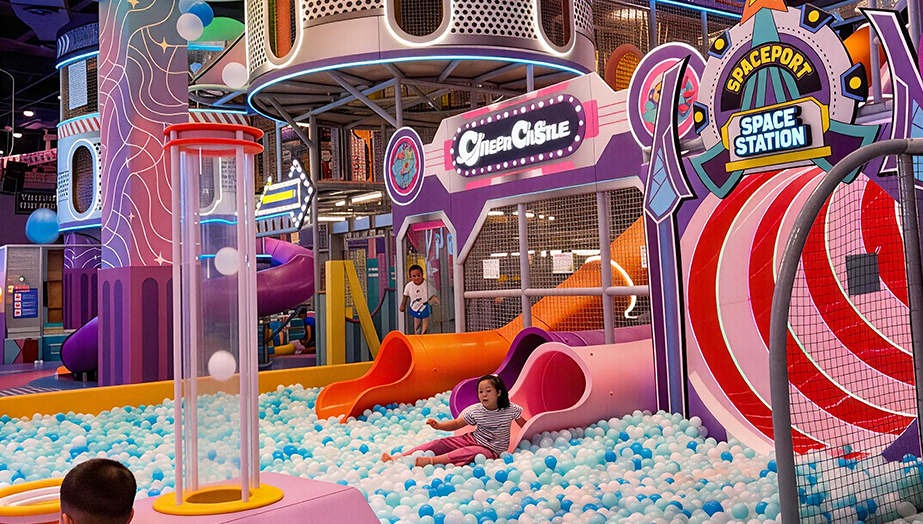
A play café combined with an indoor playground is more than just a trend—it is a highly effective business model that aligns with modern family lifestyles. However, its success depends on thoughtful design, efficient layout planning, and a clear understanding of customer behavior.
By focusing on experience, safety, and profitability from the beginning, investors can create a space that not only attracts customers but also generates sustainable long-term revenue.
What is a play café?
A play café combines a children’s playground with a café for parents.
Is a play café profitable?
Yes, due to higher spending per family and multiple revenue streams.
What size is ideal?
300–800㎡ is the most common for profitable projects.
📲 WhatsApp: +86 139 0307 9263
📩 Get FREE 3D design + layout plan
👉 Build a high-profit play café with EPARK


