

2026-10-22
When planning a commercial indoor playground, one of the most critical yet often underestimated factors is defining the appropriate age groups for your equipment and layout. While it may seem that indoor playgrounds are simply designed for “children,” the reality is far more complex. Each age group has distinct physical abilities, behavioral patterns, safety requirements, and play expectations, all of which must be carefully considered during the design phase.
From a business perspective, understanding age segmentation is not only essential for ensuring safety compliance but also plays a direct role in maximizing customer reach, improving user experience, and increasing revenue. A playground that caters to only a narrow age range may struggle to attract repeat family visits, whereas a well-balanced, multi-age design can significantly boost both foot traffic and spending per visit.
In this guide, we will take a detailed look at the different age groups for indoor playground equipment, explain their specific needs, and explore how to design a space that is both safe and commercially successful.
The toddler age group represents the most sensitive and safety-dependent segment within any indoor playground environment. Children in this stage are still developing basic motor skills such as crawling, walking, and coordination, which means that the design must prioritize protection and simplicity above all else.
Equipment designed for toddlers is typically characterized by low heights, soft materials, and minimal structural complexity. Common features include foam blocks, small slides, padded climbing shapes, and ball pits, all of which are intended to encourage gentle exploration rather than high-energy activity. In addition, sensory play elements—such as textures, colors, and interactive panels—are often incorporated to support cognitive development.
From an operational standpoint, toddler zones are usually separated from the main play structure to avoid interference from older children, ensuring a calm and secure environment. Although this group may generate lower direct revenue compared to older children, its importance should not be underestimated. Parents with toddlers are more likely to visit frequently and stay longer, making this segment valuable for long-term customer retention.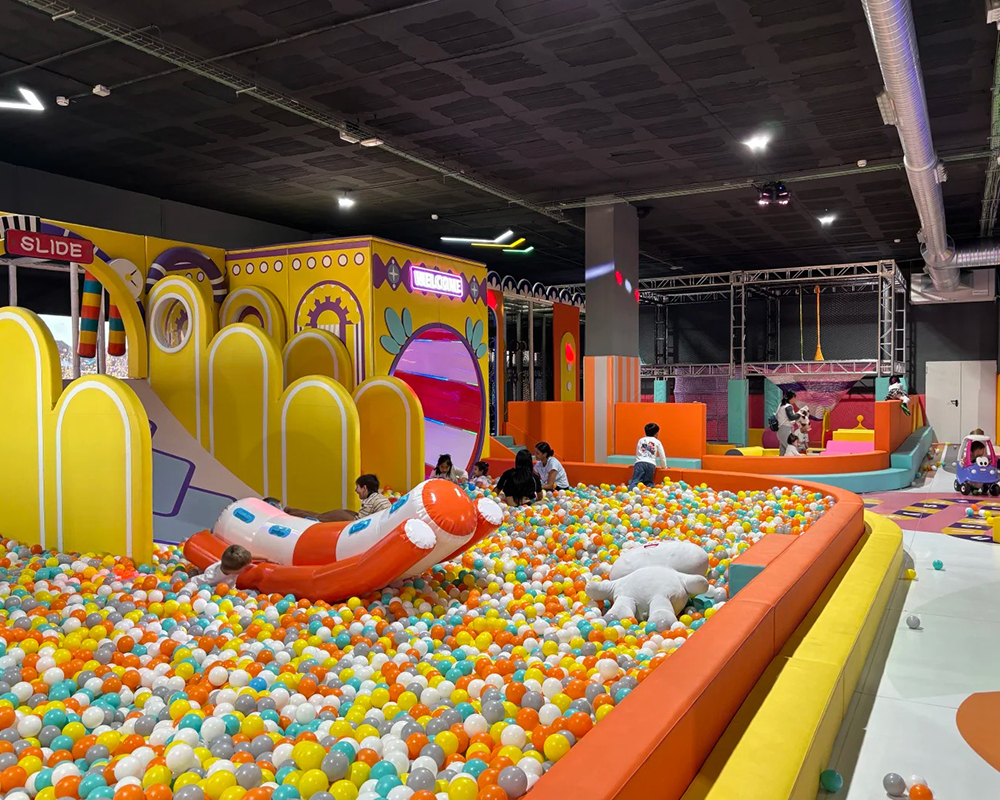
Children between the ages of three and six form the core user base of most indoor playground businesses. At this stage, kids are highly energetic, curious, and eager to engage in physical and social activities, making them ideal participants in structured play environments.
The equipment designed for this age group is typically more dynamic and interactive, featuring multi-level play structures, slides, tunnels, climbing nets, and obstacle courses. These elements are carefully arranged to encourage movement, coordination, and problem-solving, while also promoting social interaction among children.
Because this group drives the majority of ticket sales and repeat visits, it is often the focal point of the entire playground design. A well-designed play structure for this age group not only keeps children engaged for extended periods but also enhances the overall attractiveness of the venue, encouraging families to return regularly.
As children grow older, their expectations from play environments evolve significantly. Simple slides and basic structures are no longer sufficient to maintain their interest, and instead, they seek more challenging, competitive, and skill-based activities.
For this age group, indoor playgrounds often incorporate advanced features such as rope courses, climbing walls, ninja-style obstacle tracks, and interactive digital games. These elements provide a sense of achievement and excitement, which is essential for sustaining engagement among older children.
Including attractions for this segment is particularly important for families with multiple children, as it ensures that all age groups can be entertained within the same space. This not only improves customer satisfaction but also increases the overall spending potential of each visit.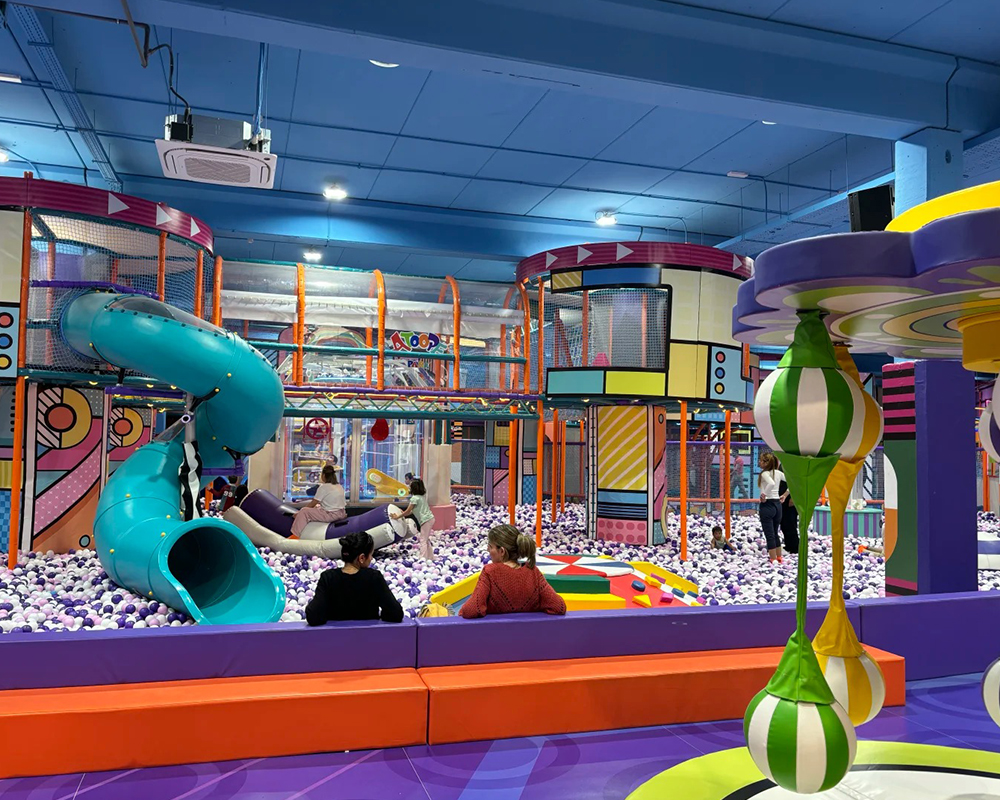
In commercial indoor playground projects, designing for a single age group is rarely sufficient. Instead, the most successful venues adopt a mixed-age approach that integrates multiple zones within a single space.
This typically involves creating clearly defined areas for toddlers, young children, and older kids, each equipped with age-appropriate structures and safety features. Proper zoning not only enhances safety by reducing the risk of collisions and overcrowding but also improves operational efficiency and customer flow.
From a business perspective, a mixed-age design maximizes space utilization and allows operators to attract a broader customer base. Families with children of different ages are more likely to choose venues that can accommodate all their needs, making this approach essential for long-term profitability.
Age group planning is not merely a design consideration—it is a strategic decision that directly affects the financial performance of your indoor playground.
A well-balanced age distribution can significantly influence key metrics such as customer volume, average stay time, and spending per visit. For example, younger children may encourage frequent visits, while older children may contribute to higher-value activities and longer engagement periods.
| Factor | Business Impact |
|---|---|
| Multi-age coverage | Increased customer base |
| Balanced layout | Improved safety & flow |
| Longer stay time | Higher spending |
| Family appeal | Stronger retention |
By aligning your equipment selection and layout design with the needs of different age groups, you can create a more efficient and profitable business model.
Indoor playground equipment is generally designed for children between 6 months and 12 years old, but the key to a successful project lies in how these age groups are integrated into the overall design. By understanding the unique needs of each segment and implementing a well-structured zoning strategy, operators can create a safe, engaging, and highly profitable environment.
Ultimately, the most successful indoor playgrounds are those that balance safety, experience, and business objectives, ensuring that every visitor—regardless of age—has a reason to return.
What age group is indoor playground equipment for?
Typically 6 months to 12 years old.
Why divide playgrounds by age?
To improve safety and user experience.
Which age group generates the most revenue?
Children aged 3–6 are the main revenue drivers.


