

2026-09-30
Starting an indoor playground business can be an attractive opportunity for entrepreneurs who want to enter the family entertainment industry. With growing demand for safe, engaging, and weather-independent entertainment spaces, indoor playgrounds have become popular destinations for children, parents, shopping malls, and Family Entertainment Centers (FECs).
However, opening a successful indoor playground requires more than purchasing play equipment and renting a space. Investors need to carefully consider business positioning, location selection, playground design, equipment configuration, safety requirements, supplier capabilities, and long-term operation plans.
This complete guide explains how to start an indoor playground business step by step, from the initial idea to project completion.
Indoor playgrounds provide a flexible entertainment solution for families because they are not affected by outdoor weather conditions and can operate throughout the year.
Compared with traditional outdoor playgrounds, indoor playground businesses offer several advantages:
Weather-independent operation
Suitable for shopping malls and commercial spaces
Multiple revenue opportunities
Flexible size options
Ability to combine with other entertainment concepts
Many modern indoor playground projects are no longer simple play areas. They are becoming integrated entertainment spaces that combine:
Soft play equipment
Interactive games
Party rooms
Parent relaxation areas
Food and beverage services
Educational activities
For investors, the business model can be adapted to different markets, from small neighborhood play centers to large Family Entertainment Centers.
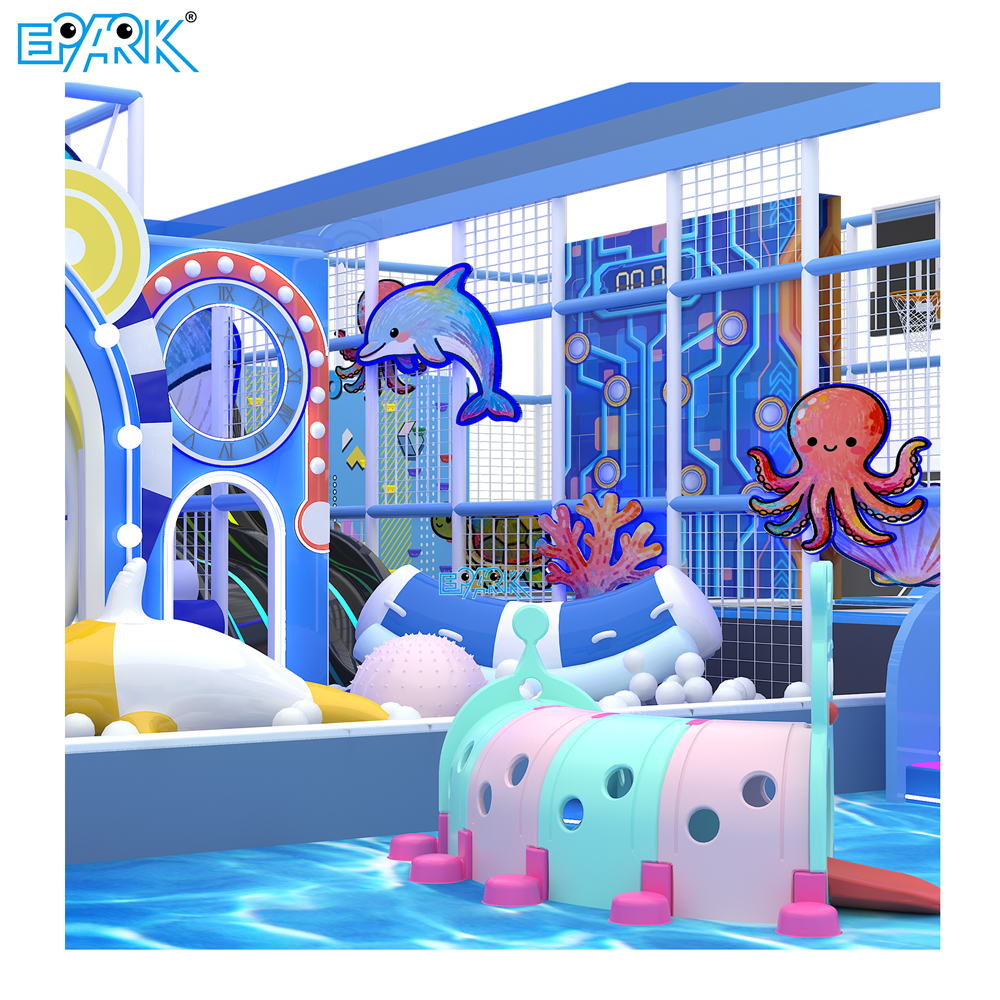
Before investing, it is important to decide what type of indoor playground business you want to build.
Different models require different investment levels, equipment combinations, and operational strategies.
| Business Model | Description | Suitable For |
|---|---|---|
| Small Indoor Play Center | Compact play area with basic soft play equipment | Local communities, small investors |
| Shopping Mall Playground | Located inside commercial centers with high customer traffic | Retail developers, mall operators |
| Family Entertainment Center (FEC) | Combines multiple entertainment attractions | Large investors and entertainment operators |
| Theme Indoor Playground | Uses customized design and storytelling concepts | Premium entertainment projects |
A successful project starts with a clear understanding of:
Target customer group
Age range of children
Expected visitor volume
Revenue model
Available investment budget
For example, a playground designed for toddlers will require different equipment compared with a large FEC targeting children aged 3–12.
A business plan helps investors understand project requirements before spending money.
Important planning areas include:
Consider:
Children’s age groups
Family income level
Local competition
Customer expectations
Typical customer groups include:
Parents with young children
Schools and childcare organizations
Birthday party customers
Shopping mall visitors
Indoor playground businesses may generate income through:
Entrance tickets
Membership programs
Birthday parties
Private events
Food and beverage sales
Merchandise sales
Your budget should include:
Rental costs
Interior decoration
Playground equipment
Installation
Marketing
Staff training
Daily operating expenses
A detailed financial plan helps avoid unexpected costs during project development.
Location is one of the most important factors affecting business performance.
A good indoor playground location usually has:
Potential locations include:
Shopping malls
Community commercial centers
Family retail areas
Entertainment complexes
Consider:
Ceiling height
Floor structure
Entrance visibility
Emergency exits
Customer flow
Indoor playgrounds can be designed for different areas.
Examples:
Small spaces: approximately 50–200㎡
Medium projects: 200–800㎡
Large FEC projects: 1000㎡+
The equipment layout should match the available space instead of simply filling every area.
A professional design can improve customer experience and operational efficiency.
A good indoor playground layout should consider:
Safety circulation paths
Equipment placement
Parent viewing areas
Reception and ticket areas
Party rooms
Storage space
Popular design concepts include:
Ocean themes
Jungle adventure
Space exploration
Cartoon-inspired environments
Educational themes
Customization can include:
Colors
Shapes
Themed structures
Brand elements
Interactive features
EPARK provides indoor playground solutions including project planning, equipment configuration, 3D design, installation, and technical support for different entertainment spaces.
Choosing suitable equipment is one of the most important decisions when starting an indoor playground business.
The equipment should match:
Target age group
Available space
Safety requirements
Customer expectations
Business goals
Common indoor playground equipment includes:
| Equipment Type | Purpose |
|---|---|
| Soft Play Structures | Main climbing and activity areas |
| Slides | Physical activity and entertainment |
| Ball Pools | Popular attraction for younger children |
| Climbing Features | Develop movement skills |
| Interactive Games | Increase engagement |
| Toddler Areas | Safe play zones for young children |
When selecting equipment, investors should evaluate:
Material quality
Structural durability
Cleaning requirements
Maintenance convenience
Supplier support
A reliable manufacturer should help customers select suitable combinations instead of simply selling individual products.
The cost of starting an indoor playground business depends on many factors.
Main cost categories include:
| Cost Factor | Description |
|---|---|
| Location | Rent, deposit, renovation requirements |
| Equipment | Soft play structures and entertainment machines |
| Design | Layout planning and customization |
| Installation | Assembly and project setup |
| Operations | Staff, marketing, maintenance |
The final investment varies depending on:
Project size
Equipment quantity
Customization level
Country requirements
Interior design complexity
Investors should prepare a realistic budget rather than focusing only on equipment prices.
A lower initial price does not always mean lower total cost. Equipment durability, maintenance requirements, and supplier support can influence long-term profitability.
Choosing the right supplier is a critical step in building an indoor playground business.
A professional supplier should provide more than equipment.
Important evaluation factors include:
Check whether the supplier has:
Own production facilities
Engineering teams
Quality control procedures
Export experience
Different projects may require:
Custom themes
Special layouts
Brand integration
Unique equipment combinations
OEM and ODM capabilities can help investors create differentiated entertainment spaces.
A complete solution provider may assist with:
Space planning
3D design
Equipment selection
Installation guidance
After-sales support
EPARK is a commercial amusement equipment manufacturer providing OEM/ODM services and complete entertainment project solutions. The company supports customers with equipment production, venue planning, 3D design, installation assistance, and technical support.
A professional indoor playground project usually follows several stages.
The supplier reviews:
Location information
Floor plan
Target customers
Budget expectations
The design process may include:
Equipment arrangement
3D visualization
Theme concepts
Safety considerations
Production includes:
Material preparation
Structure manufacturing
Component assembly
Quality inspection
The final stage includes:
Transportation preparation
Installation guidance
Equipment testing
Operation support
Working with an experienced supplier can reduce communication problems and improve project efficiency.
Safety should always be a priority for indoor playground operators.
Important safety considerations include:
Strong equipment structure
Safe material selection
Regular inspections
Proper cleaning procedures
Staff supervision
Daily maintenance should include:
Checking damaged components
Cleaning play areas
Inspecting connection points
Recording repairs
A well-maintained playground improves customer trust and helps extend equipment service life.
A playground designed without considering customer age groups may fail to attract the right audience.
Too much equipment can create crowded conditions and reduce customer comfort.
The cheapest option may not provide:
Long-term support
Replacement parts
Reliable quality
Investors should consider:
Staff
Marketing
Maintenance
Cleaning
Customer service
Before opening your indoor playground, confirm:
| Category | Checklist |
|---|---|
| Business Plan | Target customers and revenue model defined |
| Location | Space and customer flow evaluated |
| Design | Layout and theme completed |
| Equipment | Suitable equipment selected |
| Supplier | Production and support capability confirmed |
| Safety | Inspection and maintenance plans prepared |
| Operations | Staff and marketing plans ready |
The required space depends on your business model. Small playgrounds can operate in compact locations, while larger FEC projects may require thousands of square meters.
Investment costs depend on location, equipment size, customization level, and renovation requirements. A detailed project assessment is recommended before budgeting.
Common equipment includes soft play structures, slides, ball pools, climbing areas, toddler zones, and interactive entertainment features.
Look for suppliers with manufacturing experience, customization capability, quality control processes, project support, and after-sales service.
Yes. Many suppliers provide customization options including theme design, colors, layouts, and equipment combinations.
The timeline depends on project size, design complexity, production requirements, shipping, and installation arrangements.
Starting an indoor playground business requires careful planning, from market positioning and location selection to equipment purchasing and supplier cooperation.
The most successful projects combine:
A clear business strategy
Customer-focused design
Safe and durable equipment
Reliable supplier support
Effective daily operations
For investors entering the family entertainment industry, choosing an experienced indoor playground equipment manufacturer can simplify the process from concept development to final installation.
EPARK provides commercial entertainment equipment solutions, including indoor playground projects, customized designs, equipment production, and project support for global customers. Businesses can evaluate their space requirements and develop a suitable playground solution based on their market goals.


