

2026-07-02
Selecting the right location is one of the most critical decisions when planning an indoor playground business, and in many cases, it has a greater impact on long-term profitability than equipment selection or design alone. As the market becomes increasingly competitive in 2026, investors are shifting their focus from simply building attractive spaces to developing strategic, location-driven business models that maximize return on investment.
Indoor playgrounds are commonly developed in three primary environments: shopping malls, residential communities, and school-adjacent areas. Each of these locations presents unique advantages in terms of customer flow, spending behavior, and operational stability. However, the success of any project depends on how well the chosen location aligns with the overall business strategy, target audience, and positioning.
In addition, working with an experienced indoor playground manufacturer can help investors adapt their design and layout to different location types, ensuring that the final project meets both operational and commercial goals.
Shopping malls remain one of the most attractive locations for indoor playgrounds due to their ability to generate consistent foot traffic. Families visiting malls are already in a consumption mindset, which makes it easier to convert visitors into paying customers.
The presence of restaurants, retail stores, and entertainment venues creates a strong ecosystem that encourages longer visits and higher spending. As a result, indoor playgrounds located in malls often achieve faster revenue growth and shorter payback periods.
However, this advantage comes with higher costs, including rent, decoration, and competition. To succeed in a mall environment, operators must invest in premium design and branding to stand out.
👉 For projects targeting high-end markets, it is essential to partner with a professional
👉 indoor playground manufacturer
who can provide customized layouts and premium design solutions that match the expectations of mall customers.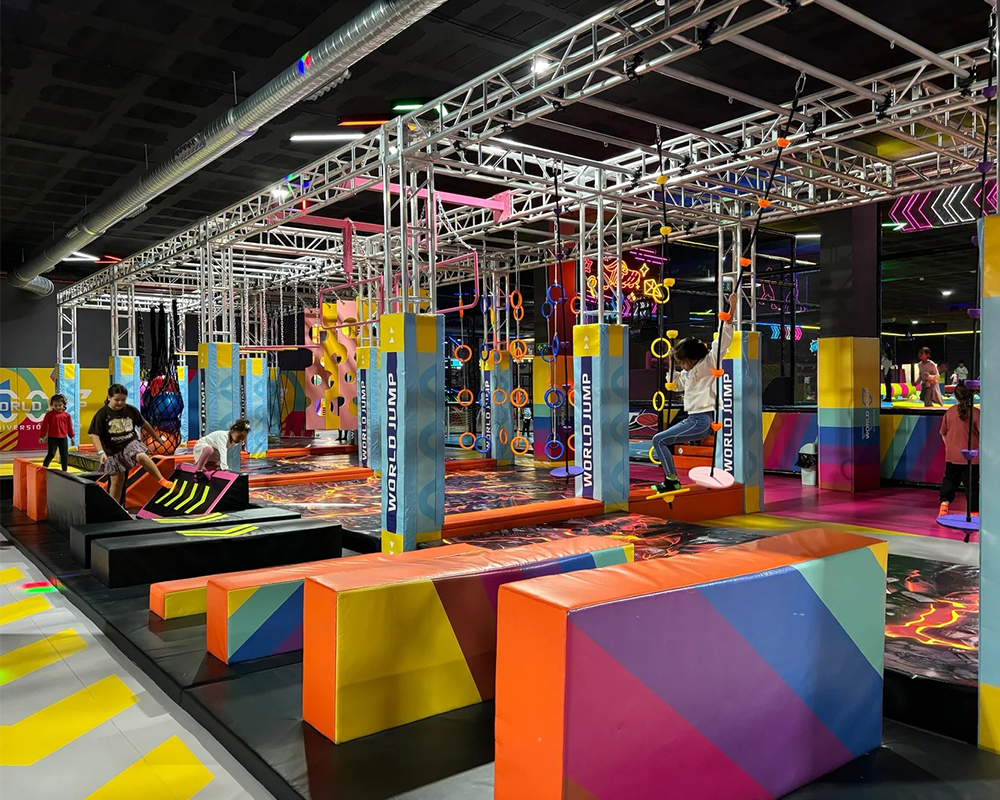
Community-based indoor playgrounds are typically located within residential areas, where they rely heavily on local families as their primary customer base. Unlike mall locations, which depend on walk-in traffic, community playgrounds build their success on repeat visits and long-term customer relationships.
This model is particularly suitable for investors who prefer stability over rapid growth. Lower rental costs and reduced competition make it easier to maintain consistent profitability, even with moderate customer volume.
At the same time, the design strategy for community playgrounds should focus on functionality, safety, and comfort, rather than purely visual impact. A reliable indoor playground manufacturer can help optimize the layout to maximize space utilization while maintaining cost efficiency.
Indoor playgrounds located near schools benefit from a unique advantage: consistent and predictable traffic from students and families. These locations are particularly effective for after-school programs, weekend activities, and educational play experiences.
One of the key strengths of this model is the level of trust it generates among parents. When a playground is positioned as a safe and structured environment, it becomes easier to attract long-term customers and build partnerships with educational institutions.
However, school-side locations often have limited peak hours and lower impulse spending compared to malls. As a result, operators must carefully design their pricing and service offerings to maximize revenue during available time periods.
Working with an experienced indoor playground manufacturer ensures that safety standards, zoning, and equipment selection meet the expectations of both parents and institutions.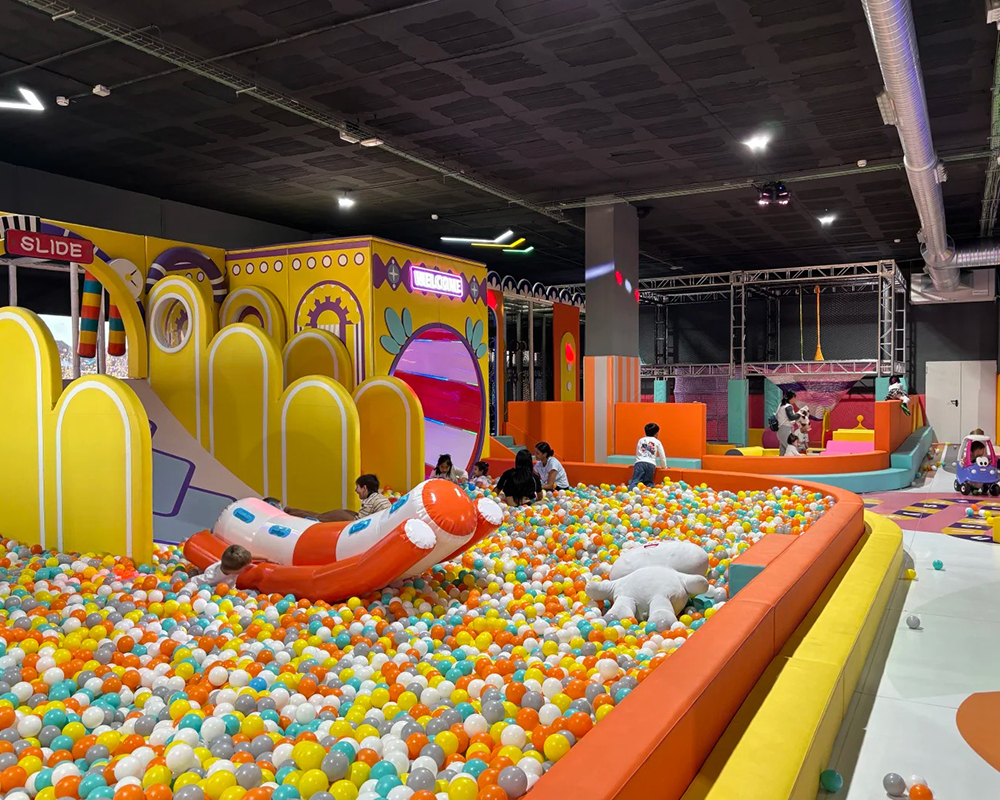
Each location type offers a different balance between cost, revenue, and risk.
| Factor | Mall | Community | School |
|---|---|---|---|
| Traffic | High | Medium | Stable |
| Rent | High | Low | Medium |
| Spending per visit | High | Medium | Lower |
| Repeat visits | Medium | High | High |
| ROI speed | Fast | Medium | Stable |
Key insight:
The best choice depends on your investment goals and business positioning.
Selecting the right location requires balancing multiple factors, including budget, target audience, competition, and long-term vision. Investors should consider whether they prefer rapid growth or stable income, as well as how much they are willing to invest in design and branding.
Regardless of the chosen location, success depends on aligning the project with a clear business strategy and working with the right partners. A professional
👉 indoor playground manufacturer
can provide valuable guidance during the planning phase, helping you design a playground that fits your location and maximizes profitability.
In 2026, choosing the right location is no longer just a logistical decision—it is a strategic factor that directly determines the success of your indoor playground business. Mall, community, and school-side locations each offer unique advantages, but their effectiveness depends on how well they align with your goals.
By combining the right location strategy with professional design and execution, investors can build a project that is both competitive and sustainable in the long term.
Which location is best for indoor playgrounds?
Mall locations offer the highest revenue, while community areas provide stability.
Is a mall playground more profitable?
Yes, but it also comes with higher costs.
Do school locations work well?
Yes, for stable traffic and long-term customer relationships.
📲 WhatsApp: +86 139 0307 9263
📩 Get FREE layout + project consultation
👉 Work with a trusted indoor playground manufacturer


