

2026-10-22
The indoor playground industry is undergoing a major transformation in 2026, shifting from price-driven competition toward experience-driven business models. In the past, many operators focused on maximizing equipment volume while minimizing cost, often working with any available supplier. However, as the market matures and customer expectations rise, this approach is no longer sustainable.
Today’s successful projects are built around premium design, brand identity, and long-term customer experience. More importantly, investors are becoming increasingly selective about working with a professional indoor playground manufacturer, rather than simply purchasing low-cost equipment. This shift reflects a deeper understanding that quality, design, and execution directly determine business success.
In this article, we explore why the “boutique shift” is redefining the industry and how choosing the right strategy—and the right manufacturing partner—has become essential for survival.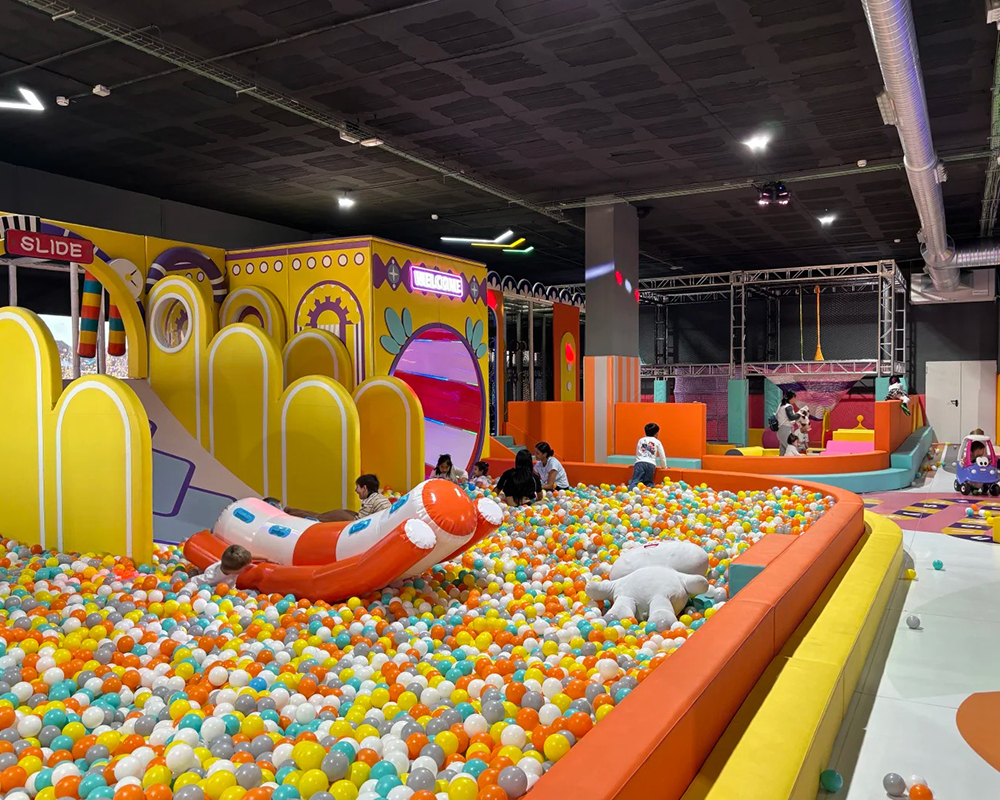
Traditional indoor playgrounds typically rely on dense layouts filled with brightly colored equipment, often without a clear design concept or user flow. While this model was effective during the early growth phase of the industry, it is increasingly struggling to compete in modern markets.
Parents today expect more than just a place for children to play; they are looking for clean, organized, and aesthetically pleasing environments where they can also feel comfortable spending time. When a playground appears outdated or overcrowded, it reduces both perceived value and customer trust.
From a commercial standpoint, this results in shorter visit durations, lower ticket pricing, and weaker customer retention. In many cases, operators who continue using outdated designs find themselves forced into price competition, which significantly reduces profitability.
Premium indoor playgrounds represent a new generation of projects that focus on design quality, customer experience, and brand positioning. Instead of maximizing equipment quantity, these spaces prioritize thoughtful layouts, refined color palettes, and immersive themes.
This transformation is closely linked to the role of a professional indoor playground manufacturer, who not only provides equipment but also contributes to layout planning, theme design, and project execution. High-end manufacturers typically offer customized solutions that align with the client’s target market and business model.
As a result, boutique playgrounds are no longer just entertainment spaces—they are lifestyle destinations that appeal to both children and parents.
One of the most important advantages of premium indoor playgrounds is their ability to generate higher revenue per customer. A well-designed space encourages families to stay longer, which directly increases spending on tickets, food, and additional services.
Furthermore, visually appealing environments are more likely to be shared on social media platforms, providing organic marketing that attracts new customers without additional advertising costs. In this sense, design becomes a revenue-generating asset rather than just an aesthetic choice.
| Factor | Traditional Model | Premium Model |
|---|---|---|
| Ticket pricing | Low | Higher |
| Customer stay time | Short | Longer |
| Repeat visits | Moderate | High |
| Brand perception | Low | Strong |
Premium playgrounds often achieve higher ROI despite higher initial investment
As the industry evolves, the role of the indoor playground manufacturer has expanded significantly. It is no longer sufficient to simply supply equipment; manufacturers are now expected to provide comprehensive solutions that include design, customization, safety compliance, and installation support.
A reliable manufacturer typically offers:
Working with an experienced manufacturer reduces project risk and ensures that the final playground aligns with both design expectations and business goals.
Creating a premium indoor playground requires a holistic approach that combines multiple design and operational elements.
These elements work together to create a cohesive environment that enhances both user experience and brand value.
The transition toward premium indoor playgrounds is not a temporary trend but a structural shift driven by changing consumer behavior. As more high-quality venues enter the market, customer expectations continue to rise, making it increasingly difficult for traditional playgrounds to compete.
Operators who fail to adapt risk losing market share, while those who embrace premium design and partner with experienced manufacturers are better positioned to capture high-value customers.
The indoor playground industry in 2026 is defined by a clear shift toward quality, experience, and brand differentiation. Premium indoor playgrounds are no longer a luxury option—they are a necessity for businesses that want to remain competitive and profitable.
By investing in high-quality design and working with a trusted indoor playground manufacturer, operators can create spaces that attract customers, increase revenue, and sustain long-term growth.
What is a premium indoor playground?
A high-end playground focused on design, experience, and branding.
Are premium playgrounds more profitable?
Yes, they generate higher revenue per customer.
Why choose a professional manufacturer?
To ensure quality, safety, and better project results.


