

2026-05-21
In recent years, indoor playgrounds have evolved from simple children's play areas into highly profitable commercial entertainment projects that are widely adopted in shopping malls, family entertainment centers (FECs), and various retail environments. As consumer demand continues to grow for safe, engaging, and all-weather recreational spaces for children, indoor playgrounds are increasingly recognized by investors and operators as a stable and scalable business model with strong long-term potential.
However, building a successful indoor playground requires more than simply purchasing equipment. It involves careful planning, strategic design, strict adherence to safety standards, and a clear understanding of revenue generation models. In this comprehensive guide, we will walk you through everything you need to know about indoor playground equipment, helping you make informed decisions and maximize your return on investment.
Indoor playground equipment refers to modular, multi-level play systems that are specifically designed for children and built to meet commercial usage requirements. These systems typically integrate a variety of play elements such as slides, tunnels, climbing structures, ball pits, and obstacle courses, all of which are combined into a cohesive and interactive environment that encourages physical activity and social interaction.
From a structural perspective, these playgrounds are constructed using durable steel frames, high-density foam padding, environmentally friendly plastic components, and reinforced safety netting. This combination of materials ensures both safety and longevity, allowing the equipment to withstand high-frequency usage over extended periods of time.
More importantly, from a business standpoint, a well-designed indoor playground is not just a recreational facility but a revenue-generating asset. By increasing the average customer stay time and enhancing the overall user experience, operators can significantly improve customer satisfaction and encourage repeat visits, which are essential for long-term profitability.
The design and theme of an indoor playground play a critical role in determining its market appeal and customer attraction. In a competitive environment, a visually distinctive and well-executed theme can greatly enhance the overall customer experience and differentiate your venue from others.
Among the most popular design themes, the macaron style has gained significant attention due to its soft pastel color palette and visually pleasing aesthetic, making it particularly suitable for shopping mall environments and social media exposure. In contrast, forest-themed playgrounds emphasize natural elements such as trees and animals, creating an immersive and educational experience that appeals to families seeking a more organic atmosphere.
For operators targeting a more modern and technology-driven audience, space-themed playgrounds featuring futuristic lighting and design elements can create a strong visual impact and attract older children. Additionally, customized themes that align with brand identity or local cultural preferences offer a unique opportunity for differentiation, allowing businesses to build a recognizable identity in their market.
Ultimately, investing in a well-thought-out design theme can significantly increase customer engagement, improve brand recognition, and drive higher foot traffic.
Understanding the cost structure of an indoor playground is essential for planning your investment and setting realistic expectations. The total cost can vary widely depending on several factors, including the size of the playground, the complexity of the design, the quality of materials used, and the level of customization required.
In general, smaller playgrounds ranging from 100 to 200 square meters may require an investment between $8,000 and $20,000, while medium-sized projects between 300 and 500 square meters typically fall within the $20,000 to $60,000 range. Larger, fully customized entertainment centers exceeding 800 square meters can cost anywhere from $60,000 to $150,000 or more.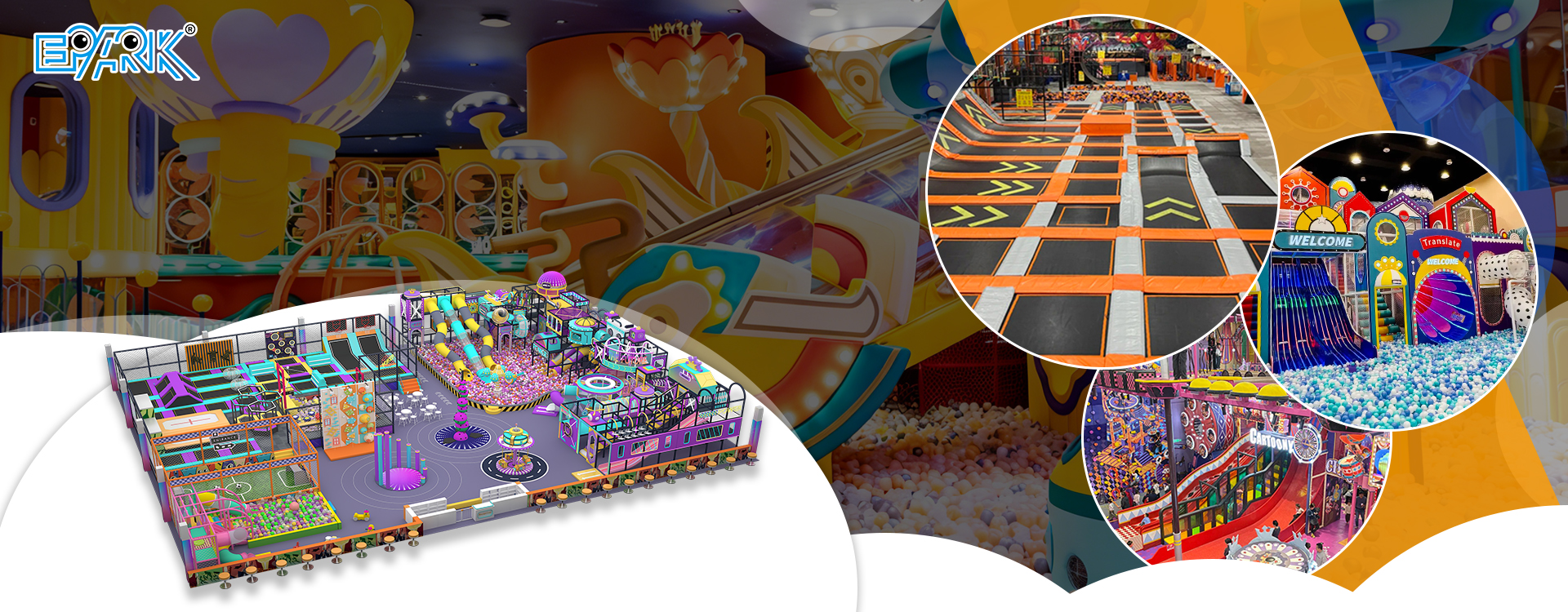
It is important to note that working directly with a professional manufacturer can significantly reduce overall costs by eliminating intermediaries, while also ensuring better quality control and customization options. This approach not only optimizes your budget but also enhances the overall efficiency of your project.
Safety is one of the most critical aspects of any indoor playground project, as it directly impacts both customer trust and regulatory compliance. A properly designed playground must incorporate comprehensive safety features to minimize risks and ensure a secure environment for children.
These features typically include full soft padding on all structural components, anti-slip flooring to prevent accidents, rounded edges to eliminate sharp corners, and enclosed safety net systems to prevent falls. In addition, materials used in the construction should be fire-resistant and environmentally safe.
From a regulatory perspective, compliance with international safety standards such as CE certification (Europe), ASTM standards (United States), and EN1176 is essential for entering global markets. Choosing a certified manufacturer not only ensures compliance but also reduces potential legal risks and enhances the credibility of your business.
One of the key reasons indoor playgrounds have become increasingly popular among investors is their ability to generate multiple revenue streams within a single space. Unlike traditional entertainment models, indoor playgrounds offer diversified income sources that contribute to stable and predictable cash flow.
The primary source of revenue typically comes from entrance ticket sales, which can be structured as single-entry fees or time-based pricing. In addition, membership programs and prepaid packages can encourage repeat visits and improve customer retention. Birthday party services represent another highly profitable segment, as they often include bundled offerings such as decorations, catering, and exclusive playtime.
Furthermore, integrating additional services such as food and beverage sales or arcade game machines can significantly increase overall revenue per customer. With proper management and strategic pricing, most indoor playground projects can achieve a return on investment within 6 to 12 months.
Starting an indoor playground business requires a systematic approach that combines market research, design planning, and operational strategy. The first step is to evaluate your available space and determine the appropriate scale of your project. Smaller spaces may be suitable for community-based playgrounds, while larger venues can support full-scale entertainment centers.
Next, it is essential to define your target audience, as this will influence your equipment selection and design approach. For example, focusing on younger children may require more soft play elements and toddler-friendly zones, while a broader age range may benefit from the inclusion of more challenging and interactive features.
Once the target market is defined, the next step involves selecting the appropriate equipment and developing a layout that maximizes space utilization while ensuring smooth traffic flow and safety. Working with an experienced manufacturer that provides professional design services, such as free 3D layout planning, can greatly simplify this process and improve the final outcome.
To ensure the long-term success of an indoor playground, proper maintenance and daily operation management are essential. Regular cleaning and sanitation not only maintain hygiene standards but also enhance customer confidence and satisfaction.
In addition, routine safety inspections should be conducted to identify and address any potential issues before they escalate. Worn or damaged components should be replaced promptly to maintain the integrity of the structure. Staff training is also crucial, as well-trained personnel can effectively supervise activities and respond to emergencies when necessary.
By implementing a consistent maintenance strategy, operators can extend the lifespan of their equipment, reduce operational risks, and maintain a high-quality customer experience.
Indoor playgrounds represent a powerful combination of entertainment and business opportunity, offering investors a reliable and scalable model for long-term growth. By carefully considering factors such as design, cost, safety, and operational strategy, it is possible to create a successful playground that not only attracts customers but also generates consistent revenue.
Choosing the right equipment supplier and solution provider is a critical step in this process, as it directly influences the quality, safety, and profitability of your project.
If you are planning to build or upgrade an indoor playground, working with an experienced manufacturer can make all the difference.
WhatsApp: +86 139 0307 9263
Contact EPARK for FREE design and quotation
Turn your space into a profitable entertainment destination


