

2026-07-02
As the indoor entertainment market continues to expand in 2026, trampoline parks remain one of the most appealing investment opportunities for entrepreneurs, family entertainment center operators, and commercial real estate developers. Unlike simple play structures, modern trampoline parks blend multiple attractions – from open jump zones to ninja courses and foam pits – to create high‑value family experiences.
However, estimating the true cost of building a trampoline park is more complicated than a simple equipment quote. Project expenses span from facility fit‑out to safety compliance, import tariffs and manufacturer support, which directly influence profitability and return on investment (ROI).
In this guide, we provide a complete cost breakdown for trampoline park development in 2026, highlight often‑overlooked hidden costs, and share practical insights for maximizing ROI.
The total cost to build a trampoline park in 2026 varies widely based on size, location, design complexity, and the attractions you include. According to industry estimates, a commercial trampoline park project can range from roughly $400,000 to over $3 million or more.
Here’s a general breakdown based on project scale:
| Park Type | Typical Investment Range (USD) |
|---|---|
| Small (community‑level) | $400,000 – $900,000 |
| Mid‑size commercial | $900,000 – $2,000,000 |
| Large destination park | $2,000,000+ |
The wide range reflects different expectations in design, space requirements, safety systems, and customer experience.
 |
 |
 |
Building a trampoline park involves several major cost components, each of which must be carefully planned to avoid budget overruns.
The venue itself often represents the largest portion of your investment. Renovating or building a commercial space suitable for a trampoline park includes:
Estimates in the U.S. have shown facility build‑out costs typically range from hundreds of thousands to millions of dollars depending on square footage and finishes.
Tip: High ceiling clearance (18+ feet) and efficient circulation paths significantly improve guest experience and revenue potential.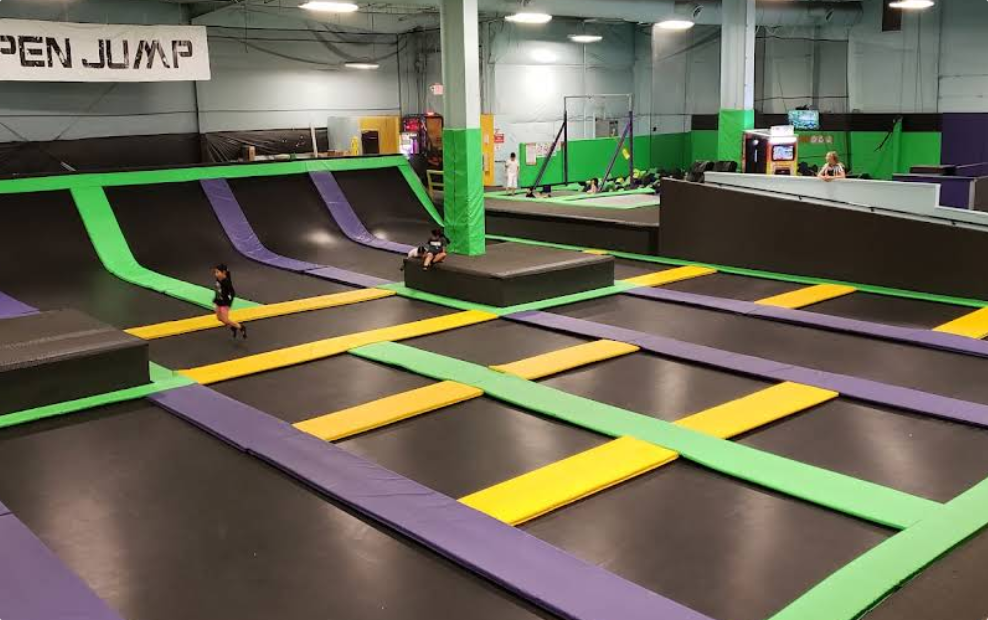
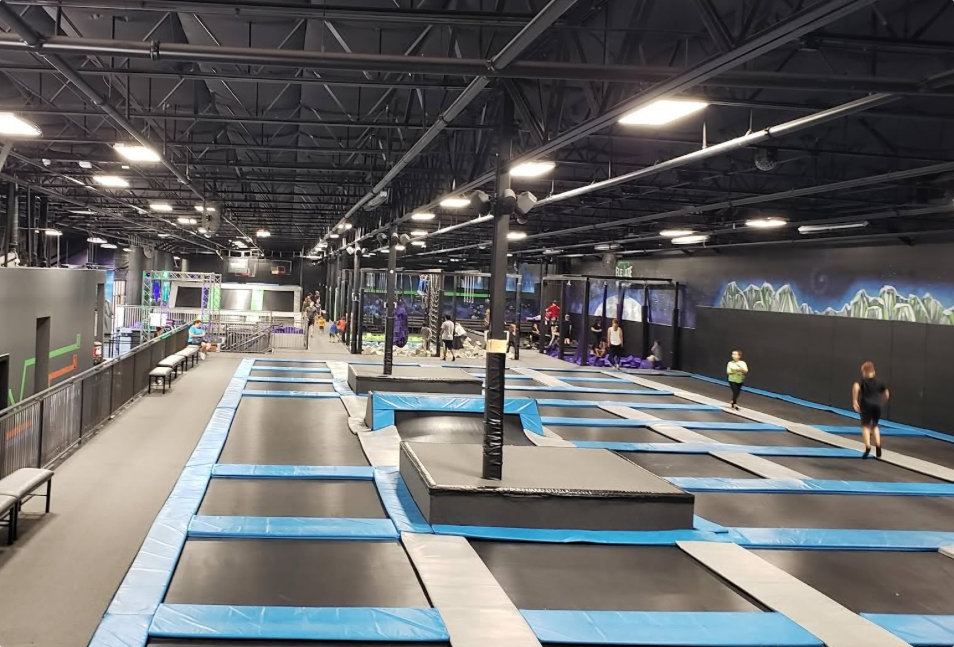
Equipment is the heart of any trampoline park. Commercial‑grade trampolines, foam pits, ninja courses, dodgeball courts, and other attractions can represent 40–60% or more of total construction cost.
For example, a modular trampoline setup for a mid‑size park may cost:
Higher‑end features like interactive digital walls or advanced ninja courses further increase expenditures.
👉 Working with a reliable indoor playground manufacturer or specialized trampoline park manufacturer not only ensures higher quality but also helps save on replacement and maintenance costs over time.
Many investors underestimate the following categories, which can materially impact the overall budget:
Commercial liability insurance for active play venues is substantial, often starting in the tens of thousands annually and increasing with park size and guest capacity.
Local permits, building inspections, and certification fees vary by jurisdiction, but typically fall within a few thousand to five figures, depending on municipality requirements.
If you source equipment internationally, tariffs and international freight can add significant landed cost. Always factor tariff schedules, shipping delays, and customs brokerage into your financial plan.
Branding, grand opening promotions, digital marketing, and signage should not be overlooked. A strong launch plan often accounts for 5–10% of your total start‑up budget
Even after construction is complete, ongoing operating expenses determine profitability and cash flow:
A conservative operating reserve covering 6–12 months should be included in your plan before expecting break‑even results.
Despite high startup costs, well‑positioned trampoline parks can generate strong returns due to diversified revenue channels:
Industry benchmarks suggest that parks with strong operational execution can achieve break‑even in approximately 12–30 months, with profit margins in the range of 20–30% once established.
Efficient design maximizes play capacity and revenue per square foot. Layout consulting from your manufacturer can avoid wasted space.
Start with core attractions and add advanced zones later as revenue grows. This phased approach can reduce initial cash outlay.
Bulk purchase agreements, flexible payment terms, or manufacturer credits can reduce upfront capital burden.
High safety standards reduce injury risk and insurance premiums, while also improving customer trust and retention.
Building a trampoline park in 2026 requires careful financial planning, realistic cost estimation, and a diversified revenue strategy. While upfront costs may seem significant, a well‑designed park with diversified attractions and strong operational management can offer attractive returns within a few years.
By understanding all major cost components – from facility and equipment to hidden tariffs and insurance – investors can better position themselves to achieve profitability and long‑term success in this dynamic segment of the indoor entertainment industry.
How much does it cost to build a trampoline park?
Typical costs range widely from $400,000 to over $3 million depending on size and features.
Are there hidden costs I should know?
Yes – insurance, permits, freight tariffs, and importing fees can all add substantially to your project budget.
Can trampoline parks be profitable?
Yes – with diverse revenue streams, many achieve break‑even in 12–30 months and profit margins of 20–30%.


